Introduction
Watches have been an important part of everyday life for generations. They help us manage our time, complete our daily activities, and express our personal style. Although smartphones can display the time, watches continue to hold a special place in fashion because they combine practicality, design, and convenience in a single accessory. From simple everyday watches to elegant luxury timepieces, there is a watch for almost every personality, lifestyle, and budget.
Choosing the right watch is not only about finding a beautiful design. It is also about understanding its quality, materials, features, comfort, and durability. A well-chosen watch can complement your clothing, suit your daily routine, and remain useful for years when properly maintained. Whether you are purchasing your first watch or adding another piece to your collection, knowing the basics can help you make a better decision.
Today, the watch market offers a wide variety of choices, including analog watches, digital watches, automatic watches, quartz watches, smartwatches, sports watches, and luxury watches. Each type serves a different purpose and offers unique advantages. Some people prefer traditional designs, while others want modern technology and advanced features. Understanding these differences makes it easier to select a watch that matches your needs.
At WordMosh, we believe that choosing a watch should be a simple and enjoyable experience. This complete guide explores different types of watches, explains how to choose the best combination of style and quality, and shares practical watch care and maintenance tips. By the end of this article, you will have a better understanding of what makes a watch attractive, reliable, comfortable, and suitable for your lifestyle.

1. Different Types of Watches and Their Features
Watches are available in many designs, sizes, and styles. Each category offers specific features that make it suitable for different activities and preferences. Before purchasing a watch, it is useful to understand the most common types and the benefits they provide.
Analog Watches
Analog watches are among the most traditional and recognizable types of watches. They usually display the time through a dial, hour markers, and hands that indicate hours, minutes, and sometimes seconds. Their classic appearance makes them suitable for casual outfits, professional clothing, and formal occasions.
One of the biggest advantages of analog watches is their timeless design. They are available in many styles, including minimalist, vintage, modern, and luxury-inspired designs. Some models feature simple dials, while others include additional functions such as a date display, chronograph, or multiple time zones.
Analog watches can be powered by quartz or mechanical movements. Quartz models generally offer convenient timekeeping with relatively little maintenance, while mechanical models appeal to people who appreciate traditional watchmaking.
When choosing an analog watch, consider dial readability, case size, strap material, and overall comfort. A clean and well-designed dial can make the watch easy to use while adding elegance to your everyday appearance.
Digital Watches

Digital watches display time using numerical digits rather than traditional hands. Many models include additional features such as alarms, stopwatches, calendars, countdown timers, and backlighting.
Digital watches are popular among people who prefer a practical and easy-to-read design. Their straightforward displays make checking the time simple, especially during exercise, travel, or busy daily routines.
Some digital watches have rugged cases and durable straps designed for outdoor activities. Others feature slim profiles and modern designs suitable for everyday wear. Depending on the model, digital watches may use replaceable batteries or rechargeable power systems.
When purchasing a digital watch, check the readability of the display, battery life, button placement, and water-resistance rating. If you plan to use it outdoors, a clear display and a comfortable strap can be particularly helpful.
Quartz Watches
Quartz watches are widely appreciated for their accuracy, affordability, and convenience. They generally use a battery-powered electronic movement regulated by a quartz crystal. This system helps the watch maintain reliable time without requiring frequent adjustment.
Many quartz watches are available at different price points, from affordable everyday models to premium designer watches. Their movement usually requires less routine attention than a traditional mechanical movement.
Quartz watches are a practical option for students, professionals, travelers, and anyone who wants dependable timekeeping. They are available in analog and digital designs, making them suitable for different fashion preferences.
Before buying a quartz watch, consider the battery replacement process, case construction, glass material, and available warranty. A good-quality quartz watch can provide reliable service for years when handled and maintained properly.
Automatic Watches
Automatic watches are mechanical timepieces that wind themselves through the movement of the wearer’s wrist. They use a collection of carefully engineered components to store and release energy, allowing the watch to operate without a conventional battery.
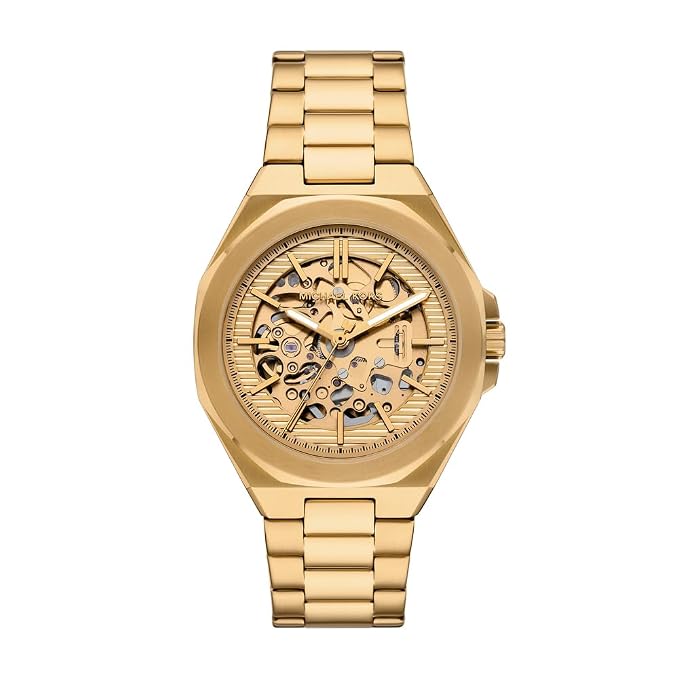
Many watch enthusiasts appreciate automatic watches because of their mechanical craftsmanship and traditional character. Some models feature transparent case backs that allow the wearer to see parts of the movement working inside the watch.
Automatic watches often require more attention than quartz models. Their accuracy can vary, and they may need professional servicing depending on the manufacturer’s recommendations and the condition of the movement.
When choosing an automatic watch, consider its movement quality, power reserve, case materials, service availability, and overall design. These watches can be an excellent choice for people who appreciate traditional engineering and detailed craftsmanship.
Smartwatches
Smartwatches combine timekeeping with digital technology. Depending on the model, they may offer fitness tracking, heart-rate monitoring, notifications, GPS, sleep tracking, music controls, and smartphone connectivity.
These features can be useful for people who want more than a traditional time display. For example, a smartwatch may help users monitor their activity, receive messages, or check exercise statistics without repeatedly taking out their phones.
However, smartwatches differ from conventional watches in several important ways. Many models require regular charging, and some features depend on a compatible smartphone or internet connection. Software support and battery condition can also influence how long the device remains useful.
Before buying a smartwatch, check compatibility, battery life, available apps, comfort, display quality, and privacy settings. Choose features that genuinely suit your routine instead of paying extra for functions you are unlikely to use.
Sports and Diving Watches
Sports watches are designed for people who participate in physical activities, exercise, or outdoor adventures. Depending on their purpose, they may offer timers, lap counters, GPS, activity tracking, or durable construction.
Diving watches are a specialized category that can be designed for underwater use. They may include features such as a rotating timing bezel, luminous hands, and a clearly visible dial. However, not every watch marketed as water-resistant is suitable for swimming or diving.
When selecting a sports or diving watch, check the manufacturer’s stated water-resistance rating and instructions. Water resistance can change as seals age or become damaged, so periodic inspection may be necessary.
For active lifestyles, look for a comfortable strap, a secure fit, readable markings, and construction appropriate for the activities you plan to perform.
Luxury and Designer Watches
Luxury watches often emphasize craftsmanship, design, brand heritage, finishing, and the quality of their components. Some use carefully finished mechanical movements, precious metals, sapphire crystal, or other premium materials.
Designer watches may focus more strongly on distinctive styling, brand identity, and fashion. Depending on the manufacturer and model, designer watches can use quartz or mechanical movements and a range of case materials.
A high price does not automatically mean that a watch is the best choice for every person. The most suitable watch is one that meets your needs, feels comfortable, offers dependable performance, and fits your budget.
When buying a luxury or designer watch, check its authenticity, warranty, service options, and seller reputation. If you are considering a pre-owned model, review its condition and available documentation carefully.
2. How to Choose a Watch with the Best Style and Quality
Choosing a watch becomes easier when you consider both its appearance and practical performance. A watch should match your personal style, suit your daily activities, and provide the features you genuinely need. The following factors can help you make an informed purchase.
Understand Your Lifestyle and Requirements
Start by thinking about when and where you will wear your watch. Someone who works in an office may prefer a simple analog watch with a clean dial. A person who enjoys outdoor activities might need a rugged model with suitable durability and useful timing features.
If you exercise regularly, a sports watch or smartwatch may be helpful. For formal occasions, a slim watch with a restrained design can complement business clothing and traditional outfits.
You do not necessarily need a different watch for every activity. A versatile everyday model may be enough if its design and features meet most of your requirements.
Make a short list of your priorities before shopping. Consider whether you need a date display, a stopwatch, smartphone connectivity, a particular water-resistance rating, or a specific strap material. This will help you compare watches more effectively.
Choose a Design That Matches Your Personal Style
A watch can be a practical accessory and an important part of your overall appearance. Its dial, case, strap, color, and proportions all influence how it looks with different outfits.
Minimalist watches often feature simple dials and limited decoration. They can be suitable for people who prefer a clean and understated appearance. Classic watches may include traditional markers, polished cases, and leather straps.
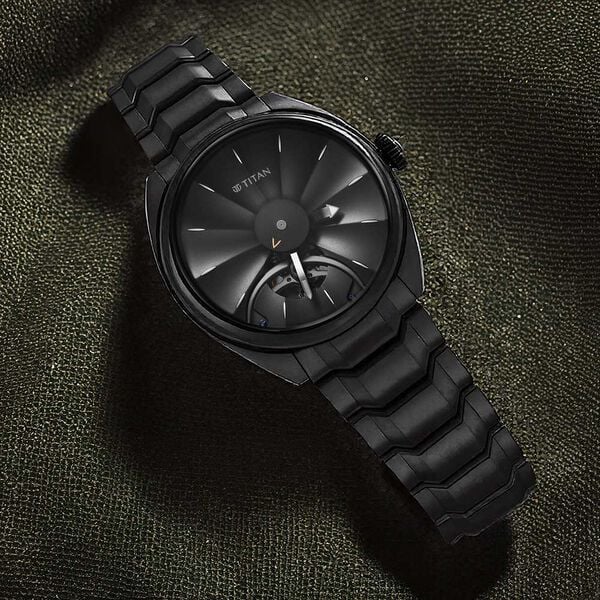
Sporty watches generally feature stronger visual details, bold markings, or durable straps. Modern designer watches may use unusual dial colors, distinctive shapes, or contemporary materials.
Think about the clothing you wear most often. Neutral colors such as black, silver, brown, and navy are often easy to coordinate with different outfits. A more colorful watch can be a good choice if you want a noticeable accessory.
The best style is the one you enjoy wearing. Fashion trends can provide inspiration, but personal comfort and preference should remain important parts of your decision.
Select the Right Watch Size
Watch size affects both appearance and comfort. A case that is too large or too small for your wrist may feel awkward, while a suitable size can make the watch look balanced.
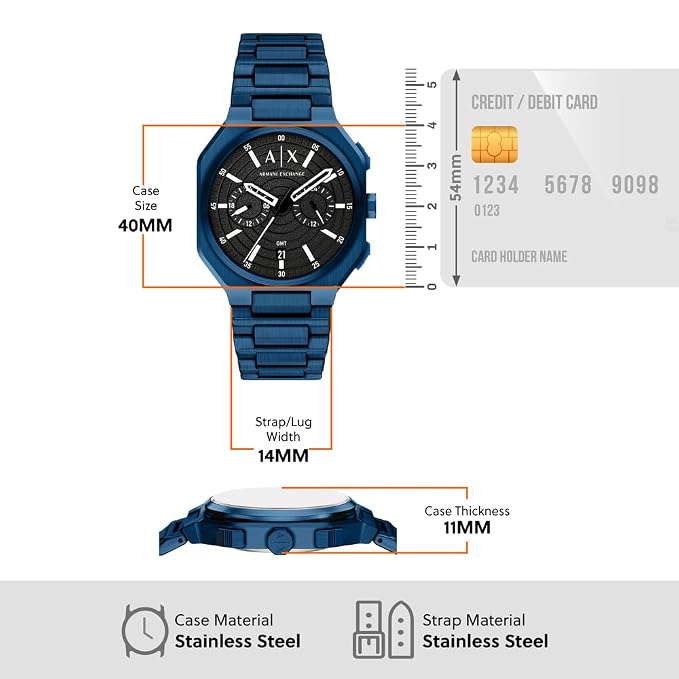
Consider the case diameter, case thickness, lug-to-lug length, and strap width. These measurements influence how the watch sits on your wrist. Trying on a watch, when possible, can help you understand its proportions better than looking at product photographs alone.
The watch should sit securely without pinching your skin or sliding excessively. Its crown and case edges should not create discomfort during normal movement.
There is no single watch size that is right for everyone. Choose a design based on your wrist, comfort, and personal preferences rather than following a fixed fashion rule.
Check the Materials and Build Quality
The materials used in a watch influence its appearance, durability, weight, and maintenance requirements.
Stainless steel is a popular case material because it offers a balance of durability and a polished appearance. Titanium is generally lighter than stainless steel and may suit people who prefer a lightweight watch. Ceramic cases can provide a distinctive finish and good scratch resistance, although ceramic components may be vulnerable to certain impacts.
Watch glass is another important consideration. Acrylic is relatively easy to polish but can scratch more easily. Mineral glass is common in many everyday watches, while sapphire crystal generally provides greater scratch resistance.
Straps also come in different materials. Leather can offer a traditional appearance, while metal bracelets provide a structured look. Silicone and rubber straps are often practical for sports and active use. Fabric straps can be lightweight and comfortable.
Examine the finishing, edges, clasp, crown, and overall construction. A watch should feel appropriately assembled for its price and intended purpose. Remember that every material has advantages and limitations, so choose according to how you plan to use the watch.
Understand the Watch Movement
The movement is the mechanism responsible for keeping time. Understanding the main movement types can help you choose a watch that matches your priorities.
Quartz movements are generally convenient, accurate, and relatively inexpensive to maintain. Automatic movements offer mechanical craftsmanship and operate through a self-winding system. Manual mechanical watches require the wearer to wind the movement by hand.
Smartwatches use electronic components and software to provide timekeeping and additional digital functions.
None of these options is automatically the best for every buyer. If you value simplicity and convenient timekeeping, quartz may be suitable. If you appreciate mechanical engineering, an automatic or manual watch may be more appealing. If you want digital tools, a smartwatch could be the better choice.
Consider the cost of ownership as well as the initial price. Battery replacements, mechanical servicing, charging requirements, and software support can all influence the long-term experience.
Set a Realistic Budget
Before purchasing a watch, decide how much you are comfortable spending. Watches are available across a wide range of budgets, and a higher price is not always necessary to obtain a reliable and attractive model.
Compare watches within your budget by looking at their materials, movement, features, warranty, and reputation. Avoid choosing a watch solely because it has a famous logo or an expensive appearance.
It is also useful to consider future costs. A watch that requires specialized servicing may cost more to maintain than a straightforward quartz model. Smartwatches may eventually need a battery or device replacement, depending on their design and condition.
Look for genuine value rather than simply the lowest price. A comfortable, well-made watch that meets your needs can be a more satisfying purchase than a cheaper model that does not suit your lifestyle.
Check Water Resistance and Practical Features
Water resistance is an important feature, but it must be understood correctly. A water-resistance rating does not mean that every watch can be used safely for every water-related activity.
Some watches are designed primarily to handle everyday splashes, while others are built for swimming or diving under specified conditions. Always follow the manufacturer’s guidance and never assume that a watch is waterproof in every situation.
Also check features such as luminous hands, a date window, a stopwatch, an alarm, or multiple time zones if these functions are important to you.
Useful features should make your life easier rather than complicate the buying decision. Focus on the functions you expect to use regularly.
Buy from a Trusted Seller
Where you purchase a watch can influence the quality of your buying experience. Choose an established retailer or an authorized seller whenever possible. Review the product description, warranty terms, return policy, and available customer support.
For expensive watches, authentication and documentation are particularly important. Keep your receipt, warranty information, and any relevant product records in a safe place.
When shopping online, review the photographs, specifications, and seller information carefully. Be cautious of prices that seem unusually low for a particular model, especially when authenticity cannot be verified.
A trusted seller can help you understand the watch’s features and provide support if you experience a problem after purchase.
3. Watch Care and Maintenance Tips for Long-Lasting Performance
A quality watch can remain attractive and useful for many years when it receives appropriate care. Maintenance requirements depend on the movement, materials, water resistance, and manufacturer’s instructions. A few simple habits can help protect your watch from unnecessary wear.
Clean Your Watch Regularly
Daily use can expose a watch to dust, sweat, fingerprints, and other everyday dirt. Regular cleaning helps maintain its appearance and prevents dirt from accumulating around the case, strap, and clasp.
For routine cleaning, gently wipe the watch with a clean, soft cloth. If the manufacturer permits damp cleaning, use a slightly damp cloth and dry the watch carefully afterward.
Avoid applying household cleaners, solvents, or abrasive products unless the manufacturer specifically approves them. These substances may damage finishes, seals, straps, or other components.
Be especially careful with leather straps, which can be affected by excessive moisture. For metal bracelets, follow the manufacturer’s cleaning recommendations and ensure that the watch’s water resistance is appropriate before using any water.
Protect Your Watch from Water and Moisture
Water resistance is not permanent in every watch. Seals can deteriorate with age, and damage to the case or crown can reduce protection against moisture.
Before exposing a watch to water, check its official water-resistance rating and instructions. Do not assume that a watch is suitable for swimming just because it can handle occasional splashes.
Avoid operating the crown or push-buttons underwater unless the manufacturer explicitly states that this is safe. After exposure to salt water or chlorinated water, follow the manufacturer’s recommended rinsing and drying procedure for that particular model.
If you notice condensation beneath the glass, arrange a professional inspection as soon as possible. Moisture inside the case may damage the movement if left unaddressed.
Store Your Watch Properly
When you are not wearing your watch, keep it in a clean, dry, and secure place. A watch box or soft storage pouch can help protect it from dust, accidental scratches, and unnecessary impacts.
Avoid leaving a watch in direct sunlight for long periods or in places where temperatures can become extremely hot or cold. Temperature changes may affect some components, materials, and timekeeping performance.
If you own several watches, store them separately or use compartments to prevent them from rubbing against one another. Keep the watch away from children or pets if there is a risk of accidental damage.
Proper storage is particularly helpful when you rotate between different watches or keep a watch for special occasions.
Avoid Strong Impacts and Scratches
Even a durable watch can be damaged by a hard impact. Take care when playing sports, working with tools, or performing activities that could expose your watch to knocks.
If you participate in an activity that may damage your watch, consider removing it beforehand or using a model specifically designed for that purpose.
Be aware that sapphire crystal is highly scratch-resistant but is not immune to damage from every type of impact. Other materials also have different strengths and limitations.
Avoid placing your watch directly beside keys, coins, or sharp objects when storing it. These items can scratch the case, crystal, or bracelet.
Keep Your Watch Away from Strong Magnetic Fields
Magnetic fields can affect some mechanical watch movements and may cause inaccurate timekeeping. Common electronic devices and magnetic accessories can produce magnetic fields, although the effect varies according to the watch and the strength of the field.
Follow the manufacturer’s guidance about magnetic exposure. If a mechanical watch suddenly begins running unusually fast or shows persistent timing problems, a qualified watch technician can check whether magnetism or another issue is responsible.
Some modern watches are designed with greater magnetic resistance, but this does not mean that every watch offers the same level of protection.
Replace Batteries and Service Movements When Needed
Quartz watches generally require battery replacement when the battery becomes depleted. Follow the manufacturer’s recommendations and have the battery replaced by a qualified professional when necessary.
A professional can also check the seals and other relevant components during the service. This is especially important if you rely on the watch’s water resistance.
Automatic and manual mechanical watches require servicing according to their design, usage, condition, and manufacturer’s recommendations. Routine servicing can help identify worn components and keep the movement operating properly.
Smartwatches have different maintenance needs. Keep their software updated when appropriate, follow the recommended charging practices, and protect the device from excessive heat and physical damage.
Avoid opening the case yourself unless you have the required knowledge and tools. Incorrect handling may damage delicate parts or compromise water resistance.
Check the Strap and Clasp
The strap is an important part of both comfort and security. Regularly check it for signs of wear, loose connections, damaged stitching, or a faulty clasp.
Leather straps benefit from protection against excessive sweat and moisture. Metal bracelets should be checked for loose links and worn pins. Rubber and silicone straps should be inspected for cracks or other damage.
Make sure the clasp closes securely before wearing your watch. If a strap appears damaged, replace it before the watch accidentally falls from your wrist.
Choosing a replacement strap that is compatible with your watch can also refresh its appearance without requiring you to purchase an entirely new timepiece.
Follow the Manufacturer’s Instructions
Every watch has different care requirements. The manufacturer’s manual is one of the most reliable sources of information about cleaning, water resistance, battery replacement, charging, and servicing.
Keep any available documentation and note the model number for future reference. If you are unsure about a maintenance procedure, ask a qualified watch professional rather than risking damage.
A simple maintenance routine can make caring for a watch easier. Wipe it after regular use, inspect the strap periodically, store it properly, and arrange professional attention when needed.
Why Style and Quality Matter When Buying a Watch
Style and quality work together to create a satisfying watch-buying experience. A beautiful design can make a watch enjoyable to wear, while dependable construction and suitable features make it practical for everyday use.
However, quality means more than an expensive case or a well-known brand. It also includes reliable timekeeping, comfortable materials, appropriate construction, useful features, and access to maintenance or repairs.
Likewise, a stylish watch does not need to follow the latest trend. A classic design that matches your wardrobe and feels comfortable can remain appealing long after a temporary fashion trend disappears.
The best approach is to balance appearance, performance, and cost. Think about how often you will wear the watch, what features you need, and how much maintenance you are willing to manage. This will help you select a watch that fits your real requirements rather than simply following advertisements or popular opinions.
Conclusion
Watches continue to be valuable accessories because they combine practical timekeeping with personal style. From traditional analog watches and convenient quartz models to automatic timepieces and feature-rich smartwatches, the available options suit a wide range of lifestyles and preferences.
Choosing the right watch involves understanding its movement, materials, size, features, and overall construction. A realistic budget and a trusted seller can also help you make a more confident purchase. Once you find a watch that suits your needs, regular cleaning, proper storage, protection from impacts, and appropriate servicing can help preserve its condition.
Remember that the best watch is not necessarily the most expensive one. It is the watch that feels comfortable, matches your personal style, offers the features you need, and provides dependable performance for its intended use.
At WordMosh, our goal is to help readers explore watches with greater confidence and make informed decisions about style, quality, and care. Whether you prefer a simple everyday design or a sophisticated timepiece, understanding these essentials can help you find an option that fits your lifestyle.
Choose your style, value quality, and make every second count with WordMosh.
Frequently Asked Questions (FAQs)
1. Which type of watch is best for everyday use?
Quartz watches are a practical choice for many people because they are generally accurate and easy to maintain. However, the best option depends on your preferred design, budget, and daily activities.
2. What makes a watch high quality?
A quality watch typically offers suitable materials, reliable timekeeping, good construction, comfortable wear, and useful features. Warranty coverage and access to servicing are also worth considering.
3. Are automatic watches better than quartz watches?
Neither type is universally better. Quartz watches generally offer convenient timekeeping, while automatic watches appeal to people who appreciate mechanical craftsmanship. Your priorities determine which is more suitable.
4. How often should I clean my watch?
For everyday wear, gently wiping the watch with a soft cloth can help remove fingerprints and surface dirt. Deeper cleaning should follow the manufacturer’s instructions and account for the watch’s materials and water resistance.
5. Can I wear my watch while swimming?
Only wear a watch for swimming if its stated water-resistance rating and the manufacturer’s instructions specifically permit it. Water resistance can deteriorate over time, so the watch’s condition matters too.
6. How can I make my watch last longer?
Clean it appropriately, store it in a safe and dry place, avoid unnecessary impacts, follow water-resistance guidance, and arrange professional servicing when needed.
7. Is an expensive watch always better?
No. A higher price does not automatically guarantee better value for your needs. Compare the materials, movement, features, comfort, warranty, and maintenance costs before deciding.
8. Which watch strap material should I choose?
Leather offers a classic appearance, metal provides a structured style, and rubber or silicone can be useful for sports and active routines. Choose a strap based on comfort, appearance, and intended use.