
How to Choose the Perfect Watch for Your Style is an important question when you want to find a watch that matches your personality, lifestyle, and budget. The perfect watch is more than a timekeeping device; it is a fashion accessory that complements your outfit and reflects your personal taste. Whether you prefer a classic analog watch, a modern digital watch, or an elegant luxury timepiece, understanding how to choose the perfect watch will help you make the right buying decision.

Learning how to choose the perfect watch can help you find a timepiece that suits your daily needs and personal preferences.However, finding the perfect watch is not always easy. The market offers thousands of options in different designs, materials, sizes, colours, and price ranges. Some watches focus on elegant designs, while others offer advanced features, sports functionality, or smart technology. With so many choices available, it is important to understand what makes a watch suitable for your needs.
When choosing a watch, you should consider more than its appearance. Comfort, durability, accuracy, functionality, maintenance, and price are also important factors. A beautiful watch may not be the best choice if it feels uncomfortable or does not suit your daily routine. Similarly, an expensive watch is not always the right option if a more affordable model provides everything you need.
The best watch is one that combines style, quality, comfort, and value. You do not have to spend a large amount of money to find a watch that looks attractive and performs well. By understanding your personal style and comparing important features, you can make a confident buying decision.
In this guide, we will explain how to choose the perfect watch for your style, how to match a watch with different outfits, which features to consider before buying, and how to find a quality watch on a budget.
1. Understand Your Personal Style Before Choosing a Watch
Understanding how to choose the perfect watch starts with identifying your personal style and lifestyle.Before buying a watch, take a moment to understand your personal style. Your watch should complement the clothes you usually wear and the activities you enjoy. Choosing a design that matches your lifestyle will help you use your watch more often and feel comfortable wearing it.
If you prefer a simple and elegant appearance, a classic analog watch with a clean dial and a leather strap may be an excellent choice. These watches are suitable for office environments, formal occasions, and everyday use. Their timeless appearance makes them easy to pair with different outfits.
If you enjoy modern fashion, consider a watch with a contemporary dial, a stainless steel bracelet, or an interesting colour combination. Minimalist watches are another popular option because they focus on simplicity, readability, and clean design.
For people who enjoy outdoor activities or sports, a sports watch may be more suitable. These watches often feature durable materials, comfortable straps, and practical functions such as a stopwatch, timer, or enhanced water resistance.
Smartwatches are useful for people who want more than traditional timekeeping. Depending on the model, they may provide fitness tracking, notifications, alarms, and other digital features.
Think about your everyday routine before making a decision. If you spend most of your time in an office, an elegant and comfortable watch may suit you best. If you regularly travel, exercise, or participate in outdoor activities, durability and functionality may be more important than decorative details.
2. Different Types of Watches and Their Benefits
When learning how to choose the perfect watch, compare analog, digital, sports, and smartwatches before making a decision.Understanding the main types of watches can make your shopping experience easier. Each type has its own appearance, advantages, and practical uses.
Analog Watches
Analog watches display time using traditional hour and minute hands, sometimes with a second hand. They are available in classic, minimalist, formal, and modern designs.
These watches are suitable for people who appreciate traditional style. Many analog watches have simple dials that are easy to read and coordinate with a wide range of clothing.
Digital Watches
Digital watches display time using numbers on an electronic screen. They are often practical and straightforward, making them popular for casual wear, sports, and everyday activities.
Depending on the model, digital watches may include alarms, timers, stopwatches, calendars, and backlighting. They can be a good choice for people who value convenience and functionality.
Smartwatches
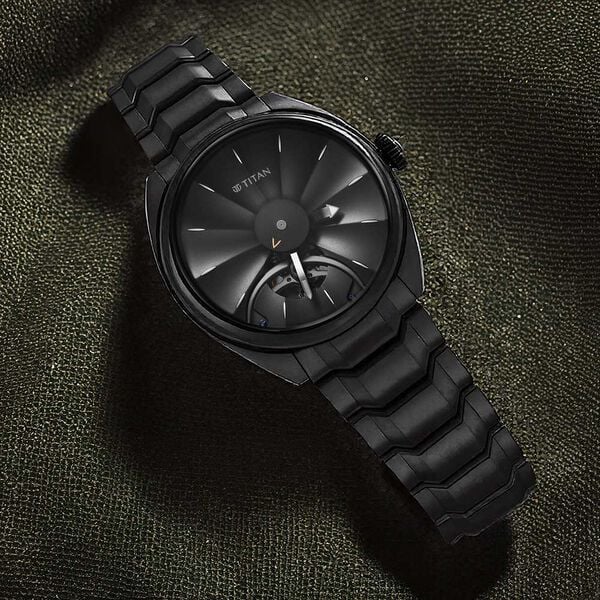
Smartwatches combine timekeeping with digital technology. Many models connect to smartphones and offer notifications, activity tracking, exercise features, and customisable displays.
Before buying a smartwatch, check its compatibility with your phone, battery life, comfort, and available functions. Choose a model that provides features you will genuinely use.
Luxury Watches
Luxury watches often focus on craftsmanship, finishing, materials, and distinctive design. Some models feature mechanical movements and detailed construction.
However, a high price does not automatically guarantee that a watch is right for you. Consider the quality, service requirements, authenticity, and overall value before making a purchase.
Sports Watches
Sports watches are designed for active lifestyles. Depending on the model, they may offer stronger cases, stopwatch functions, enhanced water resistance, and comfortable straps.
Always check the manufacturer’s specifications to confirm whether a sports watch is appropriate for your intended activities.
3. How to Match a Watch with Your Outfit
A watch can complete an outfit by adding a finishing touch to your overall appearance.Knowing how to choose the perfect watch for your outfit can help you create a balanced and stylish appearance. The key is to choose a design that complements your clothing without making the combination look too busy. You do not need a different watch for every outfit, but understanding a few styling principles can help you make better choices.
Matching a Watch with Formal Wear
For formal occasions, choose a watch with a clean dial, a slim profile, and a refined design. A classic analog watch with a black or brown leather strap can work well with suits, dress shirts, and formal trousers.
Silver-coloured or gold-coloured cases can also complement formal more information about choosing and maintaining a quality watch, visit the official Seiko Watch website. Consider the other accessories you are wearing, such as your belt buckle, cufflinks, or jewellery. Coordinating these details can create a balanced appearance.
Avoid choosing an unnecessarily bulky sports watch if your goal is a traditional formal look. A simpler design will generally blend more naturally with formal clothing.
Matching a Watch with Casual Wear
Casual clothing gives you more freedom to experiment with colours, materials, and designs. A simple watch with a fabric, silicone, leather, or metal strap can complement jeans, T-shirts, casual shirts, and everyday footwear.
For example, a watch with a dark dial can pair well with jeans and a plain T-shirt. A silver metal bracelet may work nicely with a casual shirt and trousers.
The most important consideration is comfort. Your everyday watch should feel natural on your wrist and suit the activities you perform throughout the day.
Matching a Watch with Business Clothing
For business clothing, choose a watch that looks professional and is easy to read. Minimalist analog watches and understated metal-bracelet watches are often suitable options.
Neutral colours such as black, silver, white, and dark blue are versatile and can complement many office outfits.
If your workplace has a formal dress code, a simple watch may be more appropriate than a brightly coloured design with a large case. If your workplace has a relaxed atmosphere, you can experiment with modern styles while keeping your appearance balanced.
Choosing the Right Watch Colours
Colour coordination is a simple way to improve your overall style. Black and silver watches are versatile because they work with many clothing colours. Brown leather straps can complement brown shoes, tan accessories, and earthy tones.
Gold-coloured watches can add warmth to an outfit, while dark blue dials can introduce colour without appearing overly bright.
You do not need to match every accessory exactly. Instead, aim for a coordinated appearance. Consider the colours of your clothing, footwear, belt, and other accessories when selecting a watch.
Consider Watch Size and Proportion
Watch size also affects how the watch looks with your outfit. A large watch may create a bold appearance, while a smaller, slimmer design can look more understated.
The watch should sit comfortably on your wrist without sliding excessively or feeling too tight. The case should not extend awkwardly beyond the sides of your wrist.
A balanced fit improves both comfort and appearance. Whenever possible, try the watch on before buying it, or check the case dimensions and strap adjustment options when shopping online.
4. Important Features to Consider Before Buying a Watch
An important part of how to choose the perfect watch is checking its movement, materials, comfort, and water resistance.Appearance is important, but the features of a watch determine how useful and reliable it will be in everyday life. Before making a purchase, compare the following factors carefully.
Watch Movement and Accuracy
The movement is the mechanism responsible for keeping time. The main types include quartz, mechanical, and automatic movements.
Quartz watches use a battery-powered electronic system to measure time. They are generally affordable, convenient, and accurate for everyday use. They usually require less routine attention than mechanical watches, although their batteries may need replacement.
Mechanical watches use a system of springs and gears to keep time. They appeal to people who appreciate traditional watchmaking and mechanical craftsmanship. Depending on the design, they may require regular winding and periodic servicing.
Automatic watches are mechanical watches that wind themselves through the movement of the wearer’s wrist. They can be convenient for regular wear, but they may need winding or resetting after being left unused.
Choose the movement that matches your preferences, budget, and willingness to maintain the watch.
Watch Case Material
The case protects the internal components and contributes to the watch’s appearance and durability.
Stainless steel is widely used because it offers a good balance of durability, appearance, and everyday practicality. Titanium is another option, often valued for being lightweight. Resin cases are common in sports and casual watches because they can be lightweight and practical.
Some watches use other materials or decorative finishes. Before purchasing, consider how the material feels, how it may wear over time, and whether it suits your intended use.
Strap Material and Comfort
The strap affects both the appearance and comfort of a watch. Leather straps provide a classic look and are often suitable for formal or business clothing. Metal bracelets offer a versatile appearance and can work well for everyday and professional wear.
Silicone and rubber straps are useful for many sports and casual watches because they are flexible and easy to clean. Fabric straps can provide a relaxed appearance and are available in many colours and patterns.
Choose a strap that feels comfortable against your skin and fits your daily activities. Also check whether the strap can be adjusted or replaced easily.
Water Resistance
Water resistance is an important feature, but it is essential to understand what the manufacturer’s rating actually means.
Some watches are designed to handle minor splashes, while others are rated for swimming or specific water activities. A water-resistance rating does not mean that every watch can safely be used in every wet environment.
Follow the manufacturer’s instructions regarding swimming, showering, diving, and exposure to water. Heat, soap, pressure, ageing seals, and wear can affect water resistance.
If you plan to use your watch around water, choose a model with a rating suitable for your intended activity and have its seals checked according to the manufacturer’s recommendations.
Display Readability
A watch should make it easy to check the time. Look for clear numbers or markers, good contrast between the hands and dial, and a display that suits your eyesight.
If you often use your watch at night or in low-light environments, check whether it includes illumination or luminous hands and markers.
For digital watches and smartwatches, examine screen brightness, font size, and ease of navigation.
Battery Life and Maintenance
Battery life varies between quartz watches, digital watches, and smartwatches. Traditional quartz watches may operate for a long time before needing a battery replacement, depending on the movement and functions.
Smartwatches usually require more frequent charging because they run digital displays, sensors, and connected features. Battery performance depends on usage and settings.
Mechanical and automatic watches have different maintenance needs, including occasional servicing. Before buying, consider the long-term cost of battery replacements, repairs, charging, or professional servicing.
Warranty and Brand Reliability
A warranty can provide valuable protection against certain manufacturing defects. Before buying, review the warranty duration, coverage, exclusions, and service process.
Choose a seller with clear product information and a reliable return policy. If you are purchasing a branded watch, check its authenticity and whether the warranty is valid in your region.
Do not select a watch based on its brand name alone. Compare its features, construction, comfort, and price to determine whether it offers good value.
5. Tips for Choosing a Quality Watch on a Budget
If you understand how to choose the perfect watch on a budget, you can find good value without spending unnecessarily. Buying a quality watch does not require spending a fortune. Many affordable watches provide attractive designs, reliable timekeeping, and useful everyday features. https://wordmosh.comThe secret is to understand what matters most and avoid paying extra for features you do not need.
Set a Realistic Budget
Start by deciding how much you are comfortable spending. A clear budget helps you narrow your options and compare watches within a suitable price range.
Remember that the total cost may include more than the purchase price. Battery replacements, strap changes, repairs, and servicing can add to the long-term expense.
Choose a watch that fits your budget without creating unnecessary financial pressure.
Focus on Essential Features
Make a list of the features you genuinely need. If you only want a watch for everyday timekeeping, a reliable quartz model with a comfortable strap may be sufficient.
If you enjoy fitness activities, look for practical sports features. If you want a watch for formal occasions, prioritise design, comfort, and readability.
Avoid paying more for complicated features that you are unlikely to use. A simple watch can provide excellent value when it meets your actual requirements.
Compare Materials and Build Quality
Examine the case, strap, clasp, dial, and overall finishing. The watch should feel reasonably well made for its price, and its controls should operate properly.
Check product descriptions carefully when shopping online. Look for clear specifications, genuine customer reviews, and photographs that show the actual design.
An affordable watch with dependable construction may be a better purchase than a more expensive watch chosen only for its appearance.
Research Before Purchasing
Take time to compare several models before making a decision. Review their prices, features, warranty conditions, and seller reputation.
Read customer feedback to identify recurring concerns about comfort, durability, timekeeping, or after-sales service. Do not rely entirely on a single review or a promotional description.
When buying online, check the return and replacement policy so you understand your options if the watch arrives damaged or does not match the description.
Avoid Buying Only for the Brand Name
A recognised brand may offer good products, but a brand name alone does not guarantee that a particular watch is the best choice for you.
Compare watches based on their actual specifications, construction, reliability, and suitability for your lifestyle.
Be careful with unusually large discounts and offers that seem too good to be true. Purchase from trustworthy sellers and verify authenticity when buying branded products.
Think About Long-Term Value
A budget-friendly watch should remain useful beyond the first few weeks. Consider whether replacement straps or batteries are easy to obtain and whether repairs are practical.
Neutral designs may also remain versatile for longer because they can be paired with different outfits as your style changes.
The best value comes from buying a watch you will enjoy wearing regularly, rather than choosing the cheapest available model or paying extra for unnecessary features.
6. Common Mistakes to Avoid When Buying a Watch
Even when you understand watches, certain mistakes can lead to an unsatisfactory purchase. Avoiding them can help you select a watch that meets your expectations.
One common mistake is choosing a watch based only on its appearance. A design may look attractive in a photograph but feel uncomfortable on your wrist. Always consider the size, weight, strap, and overall fit.
Another mistake is ignoring the specifications. Do not assume that a watch is suitable for swimming, sports, or outdoor activities without checking its stated capabilities.
Some buyers also overlook maintenance costs. A watch may be affordable initially but expensive to repair or service. Consider the total cost of ownership before deciding.
Buying without checking the seller is another risk, particularly when purchasing branded watches online. Verify the product details, seller reputation, authenticity information, warranty, and return policy.
Finally, avoid following trends without considering your own preferences. Fashion changes over time, but a watch that suits your lifestyle and personal taste can remain useful for years.
7. How to Take Care of Your Watch
Proper care helps preserve a watch’s appearance and performance. Although maintenance requirements vary between models, a few simple habits can make a difference.
Clean the watch gently with a soft cloth to remove dust, fingerprints, and everyday dirt. Follow the manufacturer’s cleaning instructions, especially if the watch has a leather strap, special coating, or electronic components.
Avoid exposing your watch to strong impacts, extreme temperatures, or chemicals that may damage its materials. Perfumes, cleaning products, and certain cosmetic products can affect straps and finishes.
Store the watch in a clean, dry, safe place when you are not wearing it. Keeping it away from unnecessary moisture and direct sources of heat can help protect its condition.
Check the strap, clasp, and case periodically for signs of wear. If the watch needs a battery replacement, professional repair, or servicing, consult a qualified technician or an authorised service centre when appropriate.
For water-resistant models, follow the manufacturer’s guidance and ensure that the crown and other controls are positioned correctly before exposure to water. Never assume that an older watch retains its original water resistance indefinitely.
With regular care and appropriate maintenance, a well-chosen watch can remain an enjoyable and practical accessory for a long time.
8. Choosing the Perfect Watch for Different Occasions
Different situations may call for different watch styles. Understanding where you plan to wear your watch can help you select a versatile design.
For everyday activities, choose a comfortable watch that is easy to read and durable enough for your routine. Neutral colours and simple designs are often practical because they work with a wide range of clothing.
For office use, consider an understated analog watch or a refined metal-bracelet model. The design should complement your professional clothing without becoming distracting.
For parties and special occasions, you may prefer a watch with a distinctive dial, an elegant finish, or a design that reflects your personality. The goal is to complement your outfit rather than compete with it.
For sports and outdoor activities, prioritise comfort, durability, readability, and the features required for your activity. Check the manufacturer’s specifications before using the watch in demanding conditions.
If you want one watch for many occasions, choose a versatile design with a neutral colour, comfortable fit, and practical features. This approach can help you build a useful collection without buying several watches at once.
Conclusion
Ultimately, knowing how to choose the perfect watch means balancing quality, design, comfort, and price.Choosing the perfect watch for your style involves balancing appearance, comfort, functionality, quality, and price. A watch should complement your clothing, suit your daily routine, and provide the features you genuinely need.
Start by understanding your personal style and deciding how you plan to use the watch. Consider the movement, case material, strap, water resistance, readability, maintenance requirements, and warranty before making a purchase.
If you are shopping on a budget, compare several options, focus on essential features, and look beyond brand names. A well-made affordable watch can be a practical and stylish choice when it meets your needs.
Remember that matching a watch with your outfit does not require following strict fashion rules. Simple colour coordination, suitable proportions, and personal preference can help you create a balanced appearance.
Ultimately, the perfect watch is not necessarily the most expensive or fashionable model. It is the one that feels comfortable, suits your lifestyle, complements your personal style, and offers dependable value.
Learning how to choose the perfect watch becomes easier when you compare quality, comfort, design, and price before making your final decision.Explore different designs, compare their features, and choose a watch that reflects who you are. With thoughtful selection and proper care, your watch can become a reliable everyday companion and an important part of your personal style.
Frequently Asked Questions (FAQs)
1. How do I choose the perfect watch for my style?
Start by considering your clothing preferences, daily routine, comfort requirements, and budget. Choose a watch design that complements your wardrobe and offers the features you need.
2. Which watch is best for everyday use?
A comfortable analog or digital watch with reliable timekeeping, a durable strap, and an easy-to-read display can be suitable for everyday use. The best choice depends on your lifestyle and preferences.
3. Are expensive watches always better?
No. Price alone does not determine quality. An affordable watch can offer reliable performance and an attractive design. Compare construction, features, warranty, and maintenance costs before buying.
4. What should I check before buying a watch online?
Check the product specifications, case dimensions, strap material, water-resistance rating, warranty, seller reputation, authenticity, customer reviews, and return policy.
5. How can I match my watch with my outfit?
Consider the occasion, clothing style, colours, and proportions. Simple designs and neutral colours are versatile, while more distinctive watches can add character to casual outfits.
6. How long can a quality watch last?
Its lifespan depends on the movement, materials, construction, usage, and maintenance. A well-made watch that receives appropriate care may remain useful for many years.
7. Is a leather strap or metal bracelet better?
Both can be good choices. Leather often suits formal and classic styles, while metal bracelets are versatile and durable for many everyday situations. Choose according to comfort, appearance, and intended use.
8. What is the most important feature when choosing a watch?
There is no single feature that matters most to everyone. Reliability, comfort, readability, durability, and suitability for your lifestyle are all important considerations.