
Introduction
Luxury watches have always represented more than just a way to tell time. They are a combination of style, craftsmanship, innovation, and personal expression. A well-designed watch can enhance an outfit, reflect an individual’s personality, and become a valuable accessory for many years. Whether you prefer a classic leather-strap watch, a sophisticated stainless-steel design, or a modern timepiece with advanced features, luxury watches offer something for every taste.Luxury watches combine timeless elegance, exceptional craftsmanship, and modern designs to complement every occasion.
In today’s fashion world, watches continue to hold a special place. Although smartphones and other digital devices can display the time, a beautifully crafted watch offers a unique combination of elegance and practicality. It can complement formal clothing, add sophistication to everyday outfits, and make special occasions feel even more memorable.
The world of luxury watches includes a wide variety of styles, materials, movements, and designs. Some watches are admired for their mechanical engineering, while others stand out because of their minimalist appearance, premium materials, or distinctive dial designs. Choosing the right watch depends on personal preferences, lifestyle, comfort, and budget.
Understanding what makes a watch luxurious can help you make a more informed decision. Quality materials, reliable movements, careful finishing, and timeless designs all contribute to the overall appeal of a premium timepiece.
In this guide, we will explore the importance of quality and craftsmanship in luxury watches, explain how to choose the perfect watch for different occasions, and discuss the latest luxury watch designs and trends for 2026. By the end, you will have a clearer understanding of what makes luxury watches special and how to select a timepiece that suits your individual style.
1. Luxury Watches That Combine Fashion and Functionality
Quality and craftsmanship are two of the most important characteristics that distinguish luxury watches from ordinary timepieces. While appearance may attract attention initially, the materials, engineering, finishing, and attention to detail determine much of a watch’s long-term appeal.
A luxury watch is often the result of extensive design development, careful assembly, and detailed quality checks. Every component, from the case and dial to the hands and movement, contributes to its overall performance and
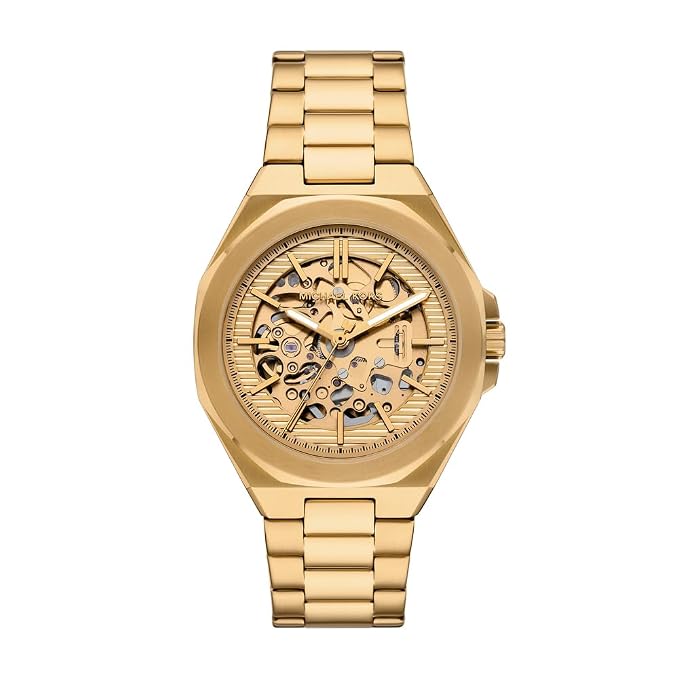
Premium Materials Make a Difference
The materials used in a watch influence its durability, comfort, appearance, and maintenance requirements. Luxury watches may feature stainless steel, titanium, gold, ceramic, sapphire crystal, and carefully selected leather.
Stainless steel is popular because it offers a balance of durability, versatility, and an attractive finish. It works well with formal clothing, business attire, and casual outfits. Its polished or brushed surfaces can create different visual effects, allowing watchmakers to develop designs ranging from understated to bold.
Titanium is another popular material because it is lightweight and suitable for comfortable everyday wear. It can be particularly appealing to people who prefer a durable watch without the heavier feel of some metal cases.
Gold adds a traditional sense of luxury and warmth. Depending on the design, gold watches can look elegant, distinctive, or suitable for special occasions. Ceramic cases and components provide another option, offering a modern appearance and resistance to everyday scratches, although ceramic can be brittle under certain impacts.
Sapphire crystal is commonly used in premium watches because of its excellent scratch resistance. The quality of these materials contributes to a watch’s appearance and usability, but the best choice ultimately depends on how and where the watch will be worn.
The Art of Watchmaking
Craftsmanship is what transforms individual components into a complete and well-balanced timepiece. Watchmakers must consider accuracy, durability, proportions, finishing, and the relationship between mechanical parts.
Mechanical watches are particularly interesting because they operate through a coordinated system of small components. In a mechanical movement, gears, springs, and other carefully engineered parts work together to measure time. Automatic watches use the movement of the wearer’s wrist to wind the mainspring, while manual-winding watches require the wearer to wind them by hand.
Quartz watches work differently. They use an electronic circuit and a vibrating quartz crystal to regulate timekeeping. They can offer excellent accuracy and convenience, demonstrating that luxury and quality are not limited to mechanical movements.
Some premium watches feature decorative finishing, including polished surfaces, engraved components, and carefully shaped bridges. In watches with transparent case backs or skeletonised dials, these details can become part of the visual experience.
The craftsmanship involved in a watch is not always immediately visible. Some of its most impressive qualities are found inside the case, where precision engineering supports reliable performance.
Attention to Detail and Design
Small details can make a significant difference in the overall appearance of a luxury watch. The shape of the hands, the clarity of the dial, the placement of hour markers, and the finishing of the case all contribute to its identity.
A balanced dial makes it easier to read the time while maintaining an attractive appearance. Some watches use Roman numerals for a traditional look, while others feature simple indexes for a clean and modern style. Textured dials, sunburst finishes, and subtle colour variations can add depth without making a design feel crowded.
The bracelet or strap also deserves attention. A well-designed metal bracelet should feel comfortable and fit securely. A quality leather strap can add warmth and elegance, while a rubber strap may be more practical for sports-inspired designs.
Even the crown, clasp, and adjustment mechanism influence the overall experience. When these components are designed thoughtfully, the watch feels more cohesive and comfortable to use.
Reliability and Long-Term Value
A well-made watch can provide years of enjoyment when it is properly maintained. However, durability depends on the movement, materials, construction, frequency of use, and care routine.
Water resistance is an important consideration. A watch labelled as water-resistant is not automatically suitable for swimming or diving. Buyers should check the manufacturer’s stated rating and usage recommendations before exposing a watch to water.
Regular servicing may also be necessary, especially for mechanical watches. Following the manufacturer’s maintenance guidance can help preserve performance and identify potential problems before they become more serious.
Luxury watches can sometimes retain their value, but this is not guaranteed. Resale prices depend on the brand, model, condition, demand, authenticity, service history, and availability. A watch should therefore be chosen primarily for its quality, usefulness, and personal appeal rather than as a guaranteed financial investment.
Ultimately, quality craftsmanship gives a watch lasting appeal. A thoughtfully designed timepiece can remain attractive even as fashion trends change, making it a meaningful addition to a personal collection.
2. Essential Features to Look for in Luxury Watches
Choosing the perfect luxury watch involves more than selecting an attractive design. The right timepiece should suit your lifestyle, fit comfortably, complement your clothing, and meet your practical requirements.
With so many options available, it helps to consider a few important factors before making a decision.
Choose a Watch That Matches Your Personal Style
Your personal style is one of the best starting points when selecting a watch. If you prefer traditional clothing and formal outfits, a classic dress watch with a simple dial and a slim case may be a suitable choice.
People who enjoy modern fashion may prefer watches with geometric cases, integrated metal bracelets, contrasting dial colours, or contemporary materials. If you appreciate understated accessories, a minimalist watch with clean lines can provide a refined appearance without drawing too much attention.
Sports-inspired watches are another option. They often feature bold hands, clear markers, rotating bezels, or chronograph functions. These designs can work well with casual clothing and active lifestyles, depending on the watch’s specifications.
Rather than following every fashion trend, consider which designs you genuinely enjoy. A watch that reflects your personality is more likely to remain a favourite over time.
Consider the Occasion
Different occasions may call for different watch styles, although many versatile watches can be worn in several settings.
For formal occasions: A slim dress watch with a clean dial, refined case, and leather strap can complement suits, formal shirts, and elegant outfits. Black, silver, white, and champagne dial colours are classic choices because they are easy to coordinate with different clothing styles.
For business and office wear: Choose a watch that looks professional without becoming distracting. A stainless-steel bracelet, a neutral dial, and balanced proportions can create a polished appearance. Comfort is especially important if you plan to wear the watch throughout a long working day.
For everyday use: A versatile watch should be comfortable, easy to read, and suitable for different activities. Stainless-steel watches, simple automatic models, and understated quartz designs can work well for daily wear. Consider scratch resistance, strap comfort, and the level of maintenance required.
For social events and celebrations: This is an opportunity to choose something more expressive. A distinctive dial, an elegant gold-tone finish, or a watch with decorative details can complement festive clothing. The key is to choose a design that works naturally with your outfit rather than competing with it.
For travel and outdoor activities: Practical features become more important. Clear time displays, reliable construction, suitable water resistance, and comfortable straps can improve everyday convenience. If you need additional functions such as a second time zone, look for a model designed to provide them.
The occasion should guide your decision, but there is no need to own a different watch for every situation. One well-chosen design may cover many of your daily needs.
Find the Right Case Size and Fit
Case size affects both appearance and comfort. A watch that is too large or too small for your preferences may feel awkward, even if its design is attractive.
Case diameter is commonly measured in millimetres. However, diameter alone does not determine how a watch wears. Lug-to-lug length, case thickness, lug shape, and bracelet design also influence the fit.
Smaller and moderately sized watches can offer a balanced, understated appearance, while larger watches may create a stronger visual presence. Neither option is automatically better. The most suitable size is the one that feels comfortable and looks balanced on your wrist.
When trying on a watch, check whether the case sits securely and whether the strap or bracelet allows comfortable movement. The watch should not feel excessively tight or slide around constantly.
If you are shopping online, read the case dimensions carefully and compare them with a watch you already find comfortable. Product photographs can be helpful, but measurements provide a more reliable starting point.
Understand Watch Movements
The movement is the mechanism responsible for keeping time. Understanding the main movement types can help you choose a watch that fits your expectations.
Quartz movement: Quartz watches are generally convenient and accurate. They usually require less routine maintenance than mechanical watches, although their batteries or rechargeable components may need attention depending on the model.
Automatic movement: Automatic watches use the wearer’s movement to wind the mainspring. Many enthusiasts appreciate their mechanical construction and traditional watchmaking appeal. They may require servicing and can stop running if left unworn for long enough.
Manual-winding movement: These watches require the mainspring to be wound by hand. For some owners, winding the watch becomes an enjoyable daily ritual that creates a closer connection with the timepiece.
Each movement type has advantages. Consider your preferred level of convenience, interest in mechanical engineering, and willingness to maintain the watch.
Set a Realistic Budget
Luxury watches are available across a broad range of prices. Establishing a budget before shopping can help you focus on suitable options and avoid paying for features you do not need.
Consider the complete cost of ownership, not only the initial purchase price. Depending on the watch, you may need to account for servicing, strap replacement, insurance, or specialist repairs.
Compare watches based on their materials, movement, warranty, finishing, comfort, and reliability. A higher price does not automatically mean a watch is the best choice for your needs.
It is also important to buy from reputable sellers. Check the warranty, return policy, product documentation, and authenticity information. If purchasing a pre-owned watch, review its condition and service history and seek professional verification when appropriate.
A carefully selected watch should fit your budget comfortably while providing the features and design you value most.
Pay Attention to Comfort and Practical Features
Comfort can determine whether you enjoy wearing a watch every day. Weight, case thickness, strap material, clasp design, and adjustability all influence the experience.
Think about the environment in which you will wear the watch. Someone who spends much of the day at a desk may prefer a slim case that fits easily beneath a shirt cuff. Someone who travels frequently may value a second time-zone display or a durable bracelet.
Chronograph functions, date displays, luminous hands, and rotating bezels can be useful, but additional features are not essential for everyone. Choose complications that genuinely support your lifestyle instead of selecting a watch simply because it has the longest feature list.
Luxury Watches That Combine Fashion and Functionality
The perfect luxury watch combines appearance, comfort, and practicality in a way that feels right for its
The luxury watch industry continues to evolve through new materials, creative dial designs, refined proportions, and improvements in mechanical engineering. In 2026, many designs are balancing traditional watchmaking with contemporary ideas.
Rather than following one universal style, the year’s releases show several directions that appeal to different tastes. Some focus on timeless elegance, while others experiment with colour, texture, and innovative construction.
Slimmer Cases and Refined Proportions
One noticeable direction in 2026 is the continued interest in slimmer cases and balanced watch proportions. Instead of relying entirely on oversized designs, many contemporary timepieces emphasise comfort, elegance, and how naturally a watch sits on the wrist.
Slimmer watches can slide more easily beneath shirt cuffs and work well with formal or business clothing. Carefully balanced case dimensions can also create a sophisticated appearance without requiring excessive decoration.
Smaller and moderate case sizes appeal to people who appreciate understated accessories. However, larger watches remain available for those who prefer a bold design or need a particularly clear display.
The main idea is versatility. A well-proportioned watch can look appropriate in a variety of settings while remaining comfortable throughout the day.
Blue, Green, Burgundy, and Warm Dial Colours
Dial colour continues to play an important role in contemporary watch design. Blue remains a versatile favourite, offering a range of appearances from deep navy to bright sky blue.
Green dials provide another popular option. Depending on the shade and finish, green can look sporty, modern, or refined. Dark green often creates a rich appearance, while lighter shades can feel fresh and contemporary.
Burgundy and other warm red tones add depth and individuality. Champagne, beige, and cream-coloured dials provide an alternative to traditional black, silver, and white designs.
These colours allow watchmakers to refresh familiar models without completely changing their overall character. A different dial shade can transform the appearance of a watch while preserving its classic case shape.
When choosing a coloured dial, consider how it works with your wardrobe. Neutral colours generally offer flexibility, while distinctive shades can become a central feature of your personal style.
Innovative Materials and Modern Finishes
Material innovation is another important direction in luxury watchmaking. Stainless steel and precious metals remain significant, but titanium, advanced ceramics, carbon composites, and other engineered materials are expanding the possibilities of watch design.
Titanium is valued for its lightweight feel and practical durability. Depending on its grade and finishing, it can create anything from a technical sports appearance to a more refined contemporary look.
Ceramic offers distinctive surface finishes and strong resistance to everyday scratching, although it can be vulnerable to certain impacts. Carbon-based materials can provide unusual patterns and a modern aesthetic, with the appearance varying according to the manufacturing process.
Gold and platinum continue to appeal to people who appreciate traditional precious materials. Modern designers are also exploring softer metallic tones, mixed finishes, and combinations of materials to create fresh interpretations of classic watches.
These developments show that luxury is not defined by one material alone. Design, engineering, comfort, finishing, and the quality of execution all contribute to a watch’s appeal.
Skeleton Dials and Visible Mechanical Movements
Skeleton watches are designed to reveal parts of their internal mechanism. Instead of hiding every component behind a solid dial, these timepieces allow the wearer to see gears, bridges, and other elements of the movement.
This approach combines technical interest with visual design. Carefully arranged components create patterns and depth, turning the mechanism into a prominent part of the watch’s appearance.
Openworked dials can look futuristic, artistic, or traditionally mechanical, depending on the construction. Some designs reveal only a portion of the movement, while others expose a much larger area.
Skeleton watches may appeal to people who enjoy engineering and want an accessory with a distinctive appearance. However, readability should still be considered. The arrangement of hands, markers, and visible components can affect how easily the time can be read.
Vintage Inspiration with a Contemporary Touch
Vintage-inspired designs continue to influence modern watches. Watchmakers often revisit historical case shapes, traditional numerals, domed crystals, textured dials, and classic colour combinations.
These details create a connection with earlier periods of watchmaking while allowing brands to introduce modern movements and materials. The result can feel familiar without being an exact reproduction of an older model.
Retro-inspired watches can suit people who appreciate traditional design but still want contemporary reliability and everyday usability.
A vintage-inspired timepiece can also offer flexibility. Depending on its proportions and finishing, it may work with formal clothing, casual outfits, or a combination of both.
The appeal of this trend lies in its balance between heritage and modern design.
Minimalist Watches and Timeless Elegance
Minimalist watches remain an attractive choice for people who prefer simplicity. These designs typically feature clean dials, limited decoration, balanced proportions, and carefully selected colours.
Removing unnecessary visual elements allows the watch’s shape, materials, and finishing to become more noticeable. A simple dial can also be easier to read and more versatile when coordinating accessories with clothing.
Minimalism does not mean a watch must look plain. Subtle textures, polished markers, refined hands, and carefully finished cases can create considerable visual interest.
For people building a small watch collection, a minimalist model may be a useful starting point because it can complement many different outfits.
Sustainable Materials and Responsible Choices
Sustainability is becoming an increasingly relevant consideration across many industries, including watchmaking. Some manufacturers are exploring recycled metals, alternative strap materials, improved packaging, and more responsible sourcing practices.
However, sustainability claims should be assessed carefully. The environmental impact of a product depends on its materials, manufacturing process, supply chain, expected lifespan, and repairability.
A durable watch that can be maintained and repaired may offer a practical alternative to frequently replacing lower-quality products. Replacement straps and access to authorised servicing can also contribute to a longer useful life.
Buyers who value sustainability should look for clear information about material sourcing and manufacturing practices rather than relying on vague promotional claims.
Hybrid Technology and Everyday Convenience
Traditional watch design and modern technology can also work together. Hybrid watches combine an analogue appearance with selected electronic or connected features.
Depending on the model, these watches may provide notifications, activity information, additional timekeeping functions, or extended battery convenience. They can appeal to people who appreciate the look of a traditional watch but want selected modern capabilities.
Not every luxury watch needs digital connectivity, however. Mechanical and quartz timepieces remain appealing because of their simplicity, design, and established watchmaking traditions.
The best choice depends on whether you prioritise traditional engineering, practical technology, or a combination of both.
Personal Expression Through Watch Design
One of the most interesting aspects of modern luxury watches is the variety of ways people can express their individuality.
Some prefer classic silver cases and neutral dials. Others enjoy colourful designs, textured surfaces, unusual case shapes, or distinctive straps. A watch can become a subtle finishing touch or a statement accessory, depending on the design.
There is no single trend that suits everyone. Fashion changes, but personal comfort and genuine preference remain important when choosing an accessory.
The most successful watch designs often balance current influences with features that will remain attractive over time. Selecting a watch that fits your lifestyle and personal taste can make it more meaningful than choosing one simply because it is fashionable.
How to Care for Your Luxury Watch
Proper care helps maintain the appearance and performance of a luxury watch. Although maintenance requirements differ between models, a few general practices can help protect your timepiece.
First, follow the manufacturer’s cleaning instructions. For many water-resistant watches, a soft cloth is suitable for removing fingerprints and everyday dust. Do not expose a watch to water unless its rating and condition make that appropriate.
Second, avoid unnecessary impacts and extreme conditions. Strong shocks, temperature changes, magnetic fields, and chemicals can affect some watches, depending on their construction.
Third, pay attention to the strap or bracelet. Leather straps benefit from protection against excessive moisture, while metal bracelets may need occasional cleaning according to the manufacturer’s recommendations.
Explore our premium watch collection to discover stylish designs, elegant timepieces, and watches for every occasion.https://yourwebsite.com/watch-collection/
Fourth, follow the recommended service schedule. Mechanical watches may require periodic professional servicing, while quartz models can need battery replacement or other maintenance.
Finally, store your watch in a clean, dry place when it is not being worn. A suitable watch box can help protect it from dust and accidental scratches.
Careful maintenance does not guarantee that a watch will remain problem-free, but it can help preserve its condition and make ownership more enjoyable.
Conclusion
Luxury watches represent a thoughtful combination of craftsmanship, style, technology, and personal expression. From carefully finished mechanical movements to modern materials and elegant dial designs, each element contributes to the character of a timepiece.
Understanding the importance of quality and craftsmanship helps buyers look beyond appearance and appreciate the materials, engineering, comfort, and finishing that make a watch special. Choosing the right watch also requires consideration of personal style, occasion, case size, movement, practical features, and budget.
The luxury watch designs of 2026 demonstrate that traditional elegance can coexist with modern innovation. Refined proportions, expressive dial colours, skeleton designs, vintage inspiration, and advanced materials offer a wide range of choices for different preferences.
Ultimately, the perfect luxury watch is not necessarily the most expensive or the most fashionable model. It is the one that feels comfortable, suits your lifestyle, reflects your personality, and provides lasting enjoyment.
Whether you are choosing your first premium timepiece or adding another watch to your collection, take time to compare the available options and understand what matters most to you. A carefully chosen watch can become more than an accessory; it can be a meaningful part of your everyday style for years to come.
Frequently Asked Questions (FAQs)
1. What makes a luxury watch different from an ordinary watch?
Luxury watches often distinguish themselves through their materials, craftsmanship, finishing, movement quality, design, and attention to detail. However, quality varies between individual models, so buyers should compare specifications rather than rely on price alone.
2. Which luxury watch style is best for everyday use?
A versatile watch with a comfortable fit, clear dial, durable case, and suitable water resistance can work well for everyday use. Stainless-steel, titanium, and simple quartz or automatic watches are common options, depending on personal preferences.
3. Are automatic watches better than quartz watches?
Neither movement is automatically better for everyone. Automatic watches appeal to people who appreciate mechanical engineering, while quartz watches are often convenient and accurate with relatively low routine maintenance requirements.
4. What are the major luxury watch trends in 2026?
Notable directions include refined case proportions, colourful and textured dials, skeletonised designs, advanced materials, vintage-inspired styling, and renewed interest in slim, versatile watches. Individual preferences and brand collections vary.
5. How can I choose a luxury watch that matches my style?
Consider your wardrobe, daily activities, preferred materials, dial colours, and comfort requirements. Choose a design you enjoy wearing rather than selecting a watch solely because it follows a current trend.
6. Do luxury watches require regular maintenance?
Maintenance requirements depend on the movement and the manufacturer’s recommendations. Mechanical watches generally need periodic professional servicing, while quartz watches may require battery replacement and other maintenance.
7. Are luxury watches a good investment?
Some watches may retain or increase their resale value, but this is never guaranteed. Market demand, authenticity, condition, servicing, and the specific model all influence resale prices. Purchase a watch primarily because you appreciate its quality and design.
8. How do I maintain the appearance of a luxury watch?
Follow the manufacturer’s cleaning instructions, protect the watch from unsuitable conditions, care for its strap or bracelet, and arrange servicing when recommended. Proper storage can also help reduce dust and accidental scratches.
9. Which dial colour is best for a luxury watch?
Black, white, silver, and blue are versatile options. Green, burgundy, and champagne can provide a distinctive appearance. The best colour depends on your wardrobe, preferences, and how you plan to wear the watch.
10. What should I check before buying a luxury watch online?
Review the seller’s reputation, product specifications, authenticity information, warranty, return policy, case dimensions, movement type, and water-resistance rating. For pre-owned watches, also check the condition and available service history.